The Reserve
Water, coral, and recovery.
A bespoke immersion in the world's most-recovered coral reef, with the research team and cooperative that protect it.
In 1995, the fishing community of Cabo Pulmo — fifty kilometers and a dirt road north of Los Cabos — secured federal protection of seventy-one square kilometers of reef and water after decades of overfishing had depleted the bay. They then chose conservation: the cooperative transformed itself from a fishing fleet into a stewardship operation, enforcing the reserve boundary and hosting visiting researchers.
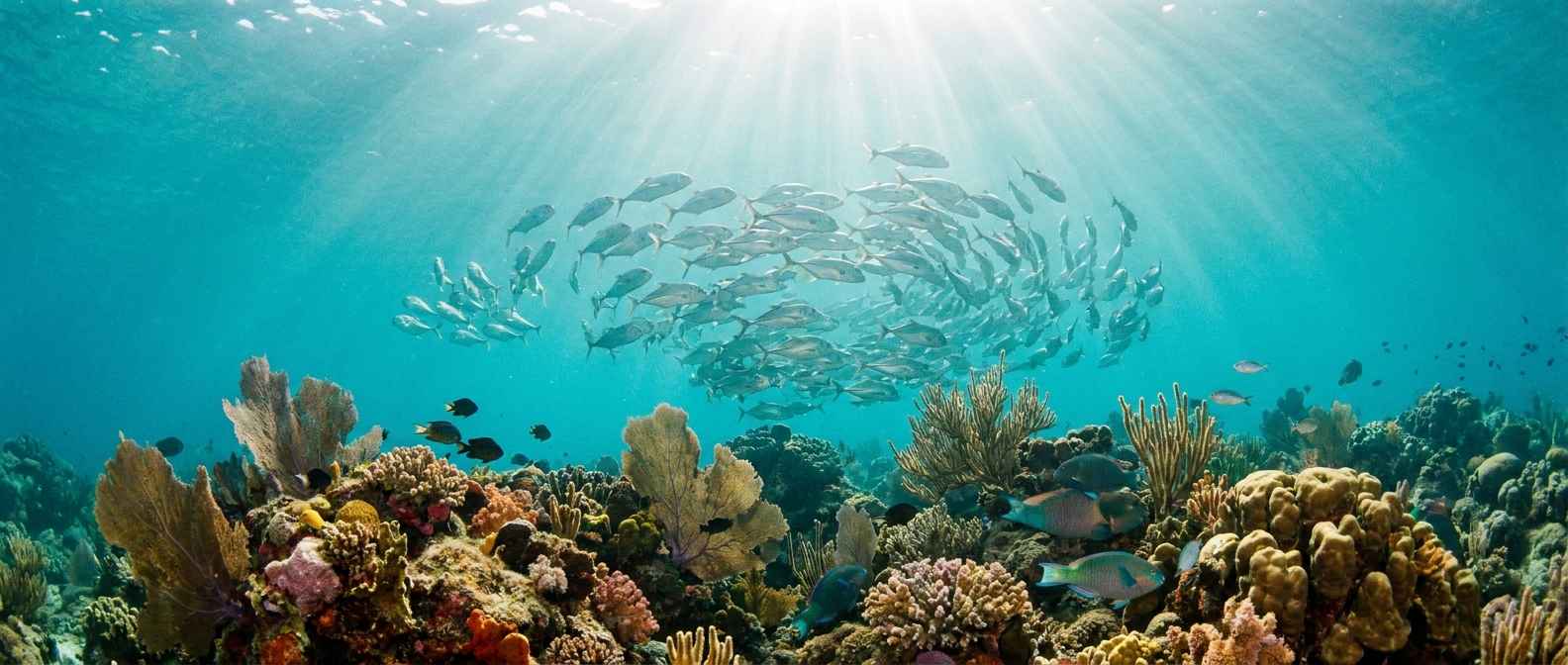
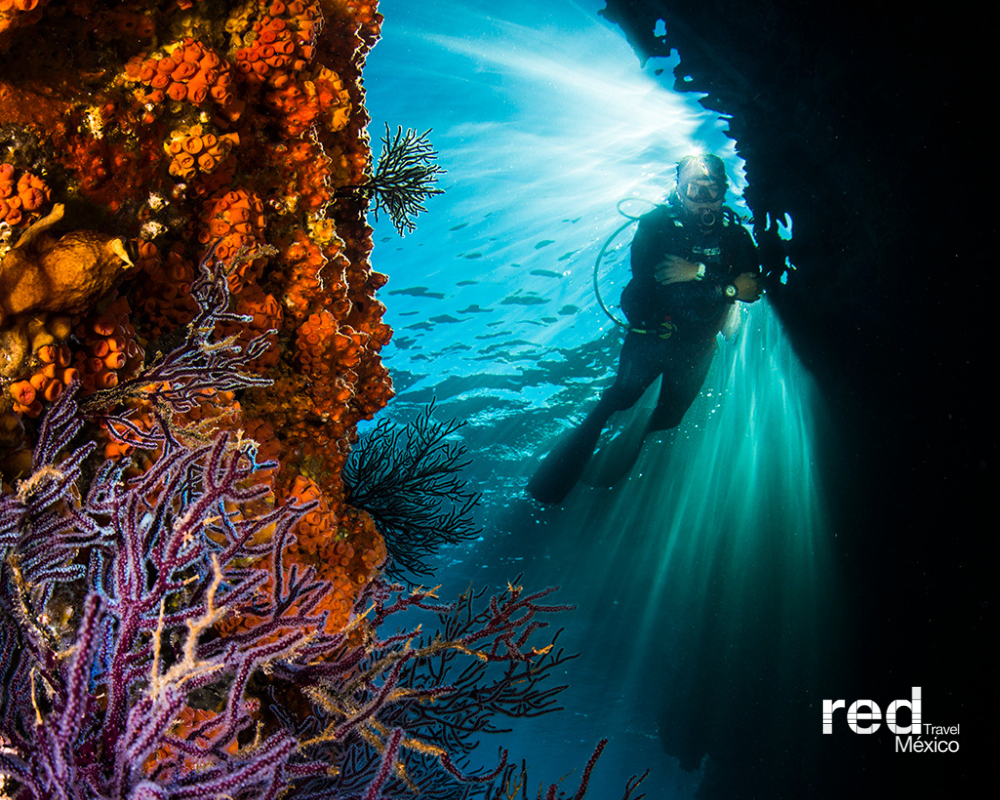
The 2011 peer-reviewed study by Aburto-Oropeza et al. documented the reserve's recovery. Between 1999 and 2009, total fish biomass increased by 463% — an absolute increase of 3.49 tonnes per hectare, the largest measured in any marine reserve worldwide at that scale and depth. Top predators multiplied elevenfold. The ecological signature of that recovery is visible: schools of jacks that move like weather, grouper the size of a young Labrador, bull sharks at ease in their own water.
— Aburto-Oropeza, O. et al. (2011) "Large Recovery of Fish Biomass in a No-Take Marine Reserve." PLOS ONE, 6(8): e23601.
Ground at Los Cabos International (SJD) in the morning. Two-hour drive northeast through the cape mountains to the coastal village of Los Barriles, where RED meets travelers with a naturalist guide and a vehicle. From Los Barriles, a seventy-kilometer drive north on well-maintained dirt road brings you to the cooperative dock at the reserve entrance. Meet the captain of the Cooperativa Cabo Pulmo, who has spent a lifetime in these waters as both fisher and conservationist. Check into Los Frailes, a seven-room ranch ten kilometers north of the reserve boundary, set back from the coast with a full kitchen and generator power. Afternoon briefing with RED's lead marine biologist on the history and ecology of the reserve. Dinner at a cooperative restaurant overlooking the Pacific, with a working connection to the fishing families who now steward this boundary.
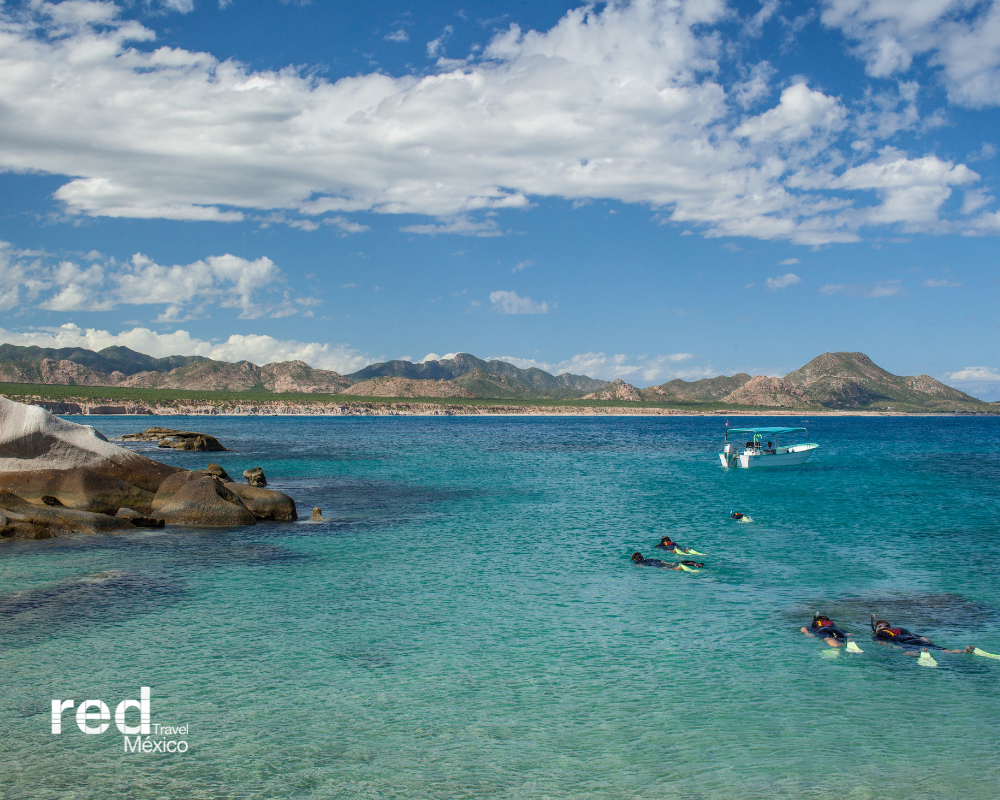
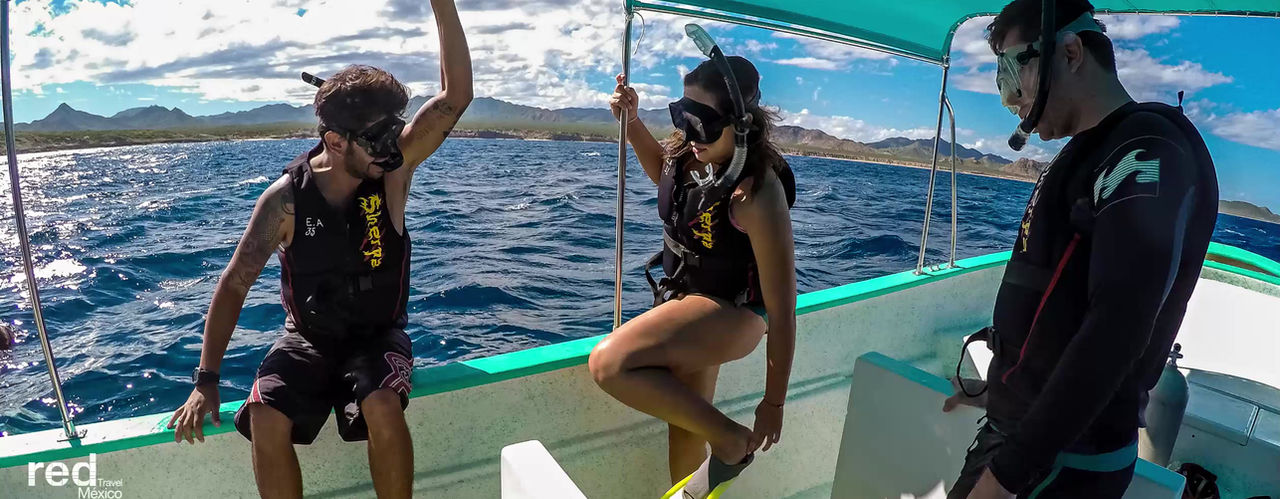
Before dawn, board the skiff at the cooperative dock. Dawn snorkel at El Bajo — an offshore pinnacle that funnels nutrient upwells and concentrates the reserve's recovered biomass. You will see the schools documented in the Aburto research: jacks, grouper, amberjack, and typically a passing bull shark or two. Two hours of water time, then back to shore for breakfast. Late morning second snorkel at Los Arbolitos, a sandy-bottom site with sea turtles and rays. Afternoon rest at Los Frailes. Evening meal prepared from local fish and fresh produce, followed by an informal debrief with RED's biologist on what you have witnessed in the water.
A final sunrise departure for Las Cabezas, where the biomass density is greatest and the gradient to deeper water most dramatic. This is the reserve's showcase site. Three hours of water time. Return to Los Frailes for a leisurely breakfast. Pack and depart southbound by 13:00 for the drive back to Los Cabos, with a stop in the town of Cabo Pulmo itself — the fishing village where the protection movement began — to meet members of the cooperative and understand the social dimension of marine stewardship. Ground at Los Cabos by evening; international flight connection permitting.
A cooperative of longtime fishers who shifted their practice entirely to conservation in 1995. They hold the permit, captain the skiffs, enforce the reserve boundaries, and host researchers and visitors. The cooperative is the institutional heart of Cabo Pulmo's recovery story.
A marine scientist trained in coastal ecology and snorkel safety, embedded with RED to lead all water sessions. Provides real-time interpretation of the reserve's biomass, species composition, and recovery ecology. Works directly with the cooperative to coordinate timing and access.
The team that conducted the 2011 Cabo Pulmo biomass study continues ongoing research at the reserve. RED may arrange guest lectures or informal conversations with visiting researchers to discuss recovery findings and current field work.
All meals prepared from a field kitchen at the ranch. The kitchen draws on local fish, seafood, and fresh produce from suppliers in the region. Specialization in ceviches, grilled whole fish, and seasonal preparations reflecting the culinary tradition of Baja California Sur.
Cabo Pulmo is a bespoke offering, not a packaged itinerary. It is built for the traveler who has the physical fitness to spend three days in and around small skiffs in tropical sun, who is genuinely motivated by marine biology and conservation science (not primarily by the destination itself), and who can embrace uncertainty. Weather and cooperative capacity shape each departure; RED does not guarantee fixed dates.
If you have a traveler who fits this frame — someone who wants to stand in recovered water, meet the cooperatives who made it possible, and understand a global conservation model — describe the dates they are considering, their comfort level with water and sun, and why this specific reserve matters to them. We will respond within two working days with a proposal on timing, cost, and logistics.